
Dog owners and pet-friendly property managers know the pull of social media dog content: a great moment with a great dog feels worth sharing. The frustration is that Instagram pet photography rarely matches real life. Dogs blink, bolt, ignore the camera, and the best light disappears fast. Add muddy paws, yard rules, and the pressure to keep shared spaces clean, and showcasing dogs on Instagram can start to feel like a chore instead of fun. With a few smart shifts, those everyday moments can look as good as they felt. If you run a pet related business, then you really need to read the following tips on how to capture stunning Instagram photos and videos of your dog.
Quick Summary: Better Dog Photos and Videos
- Use simple dog photo composition to frame your dog cleanly and highlight their expression.
- Use good lighting for pet photos to avoid harsh shadows and keep fur detail clear.
- Use easy camera settings for pets to reduce blur and capture sharp action moments.
- Use engaging dog poses to show personality and keep your shots lively and shareable.
- Use video capture basics to record steadier clips with clear focus and natural movement.
Polish Short Dog Clips with AI—While Keeping Them Real
Once you’ve nailed a quick, solid clip, AI can help you make it feel more finished without changing what actually happened. AI-assisted enhancement is great for tightening up rough edits, keeping a consistent look across your posts, and even adding small visual elements that make your story easier to follow. And with Adobe Firefly’s AI video generator, you can turn your clip of your dog into dynamic and engaging Instagram content by adding cinematic b-roll effects, smooth camera motion, and stylized visuals. All from a simple text prompt or existing footage. Think of it as a polish layer: your best results still start with clear, steady filming. Up next, you’ll put that strong capture to work with field-tested moves for scroll-stopping shots.
Use 8 Field-Tested Moves to Capture Scroll-Stopping Shots
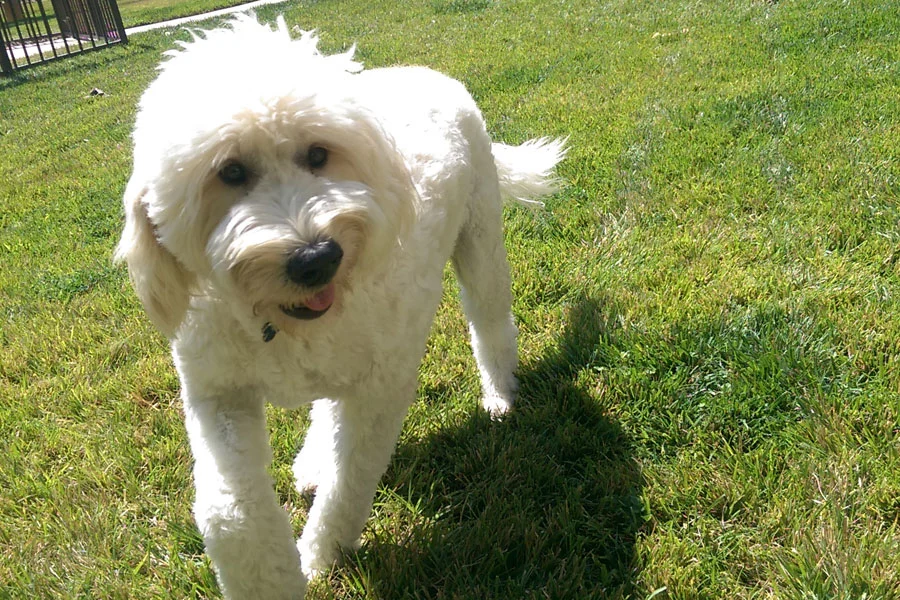
Great dog photos aren’t about luck, they’re about a few repeatable moves that keep your pup comfortable while you control light, angles, and timing. Try these on your next walk or property check-in, and you’ll get more “keepers” with less fuss. I wish I knew these tips before I took the picture of Roxy for this post.
1. Stabilize fast with an adjustable tripod:
Set an adjustable tripod low for ground-level shots, then raise it to eye level for quick “before/after” clips of a clean play area. A steady frame makes your dog look sharper and helps your AI touch-ups stay subtle later, since the software isn’t fighting shaky footage.
2. Use remote shutter controls to stay in the moment:
Pair remote shutter controls so you can keep both hands free for cues, treats, or a leash, especially helpful in shared green spaces where you’re also watching for distractions and waste. Tap the remote during the split-second head tilt instead of reaching for the screen and missing it.
3. Chase flattering natural light (not flash):
Look for open shade (under a tree or beside a bright wall) or shoot during early/late daylight for softer shadows and shinier coats. The tip to use natural lighting instead matters because flash can startle dogs and create harsh reflections in eyes, exactly the vibe you don’t want for friendly, community-focused posts.
4. Get low and find the “dog-eye” camera angles:
The quickest upgrade is dropping your camera to chest height or lower, your dog looks bigger, prouder, and more connected to the viewer. For playful energy, try a slight upward angle as they trot toward you; for calm portraits, shoot straight-on at eye level to avoid the “tiny head, big body” distortion.
5. Freeze motion with a faster shutter speed:
Even when your dog seems “still,” noses twitch and tails wag, motion blur happens fast. A reliable baseline is a minimum of 1/400 sec to keep eyes and whiskers crisp; bump higher if your pup is sprinting or you’re filming quick zooms.
6. Make the background do the cleanup work:
Before you ask for a seat, scan behind your dog for bright trash cans, clutter, or obvious pet waste bags that pull attention. A simple step left/right can replace visual mess with grass, sky, or a clean walkway, great for property managers documenting tidy outdoor areas without calling attention to the “maintenance” side of the scene.
7. Get your dog to look at the camera without stressing them:
Hold a treat right next to the lens, say your cue once, and reward the moment you get eye contact, then release them. For videos, use a squeak or kissy noise for one second only; repeating sounds can make some dogs anxious or “tune you out.”
8. Edit lightly with photo editing software (and keep it real):
Start with exposure, highlights, and a small warmth tweak, then stop before fur colors look fake. If you’re using AI tools to polish short clips, prioritize consistency (same brightness and color across a set) over heavy effects so your dog, and your clean, pet-friendly environment, still looks believable.
Habits That Make Dog Photos Easier Every Week
Small, consistent habits keep your dog calm and your shared spaces looking cared for, so both owners and property managers can capture great content while reinforcing cleaner, pet-friendly norms over time.
Two-Minute Scene Scan
- What it is: Check for waste, clutter, and harsh sun before you cue your dog.
- How often: Daily
- Why it helps: Cleaner backgrounds look better and quietly promote responsible pet care.
Treat-Ready Reward Loop
- What it is: Pack pea-sized treats and reward eye contact, then release your dog.
- How often: Daily
- Why it helps: Positive repetition builds cooperation without stress or wrestling for attention.
Sleepy-Time Portrait Window
- What it is: Use that window of time when an animal is somewhat sleepy to record a slower video.
- How often: Weekly
- Why it helps: Lower energy means steadier poses and fewer retakes.
Dog-Level Check-In Shot
- What it is: Do one clip where you get down to your dog’s level on each walk-through.
- How often: Daily
- Why it helps: That viewpoint feels more personal and sells your space as welcoming.
Weekly “Clean Space” Reel
- What it is: Film a 5-second before, quick tidy, then 5-second after.
- How often: Weekly
- Why it helps: Consistent proof of upkeep supports community trust and leasing conversations.
Turn Everyday Moments into Better Dog Photos and Posts
Wiggly dogs, busy schedules, and unpredictable light can make it feel like great shots are mostly luck. A calmer, routine-based approach, simple prep, patience, and steady practice, builds photo-taking confidence and makes applying pet photography tips feel natural instead of stressful. Over time, improving pet photo quality becomes noticeable in both your keepers and the ease of sharing dog content that feels true to your pup. Consistency beats perfection when photographing dogs. Take 10 minutes today to capture a few relaxed moments and post one that tells a small story. That small habit keeps motivating dog owners and strengthens the everyday bond that supports happier, healthier routines.