Keeping outdoor spaces clean is an important part of responsible pet ownership. Pet waste management is not only about maintaining a tidy yard—it also protects family health, the environment, and neighborhood relationships.
Many pet parents underestimate the risks associated with dog waste. However, pet waste contains bacteria, parasites, and other harmful organisms that can affect both humans and animals. When waste is not removed regularly, it can contaminate soil and water and create unpleasant living conditions.
By following simple waste management practices, pet owners can create healthier spaces while building trust within their communities.
Why Pet Waste Management Matters
Pet waste might seem harmless, but it can pose real health and environmental risks. Dog feces contain bacteria such as E. coli, Salmonella, and Campylobacter, which can cause gastrointestinal illness in humans.
Parasites such as roundworms and hookworms may also be present. These parasites can spread through contaminated soil or water and can affect both pets and people.
Another major concern is environmental contamination. When rain washes pet waste into storm drains, the bacteria and nutrients can pollute rivers, lakes, and local water supplies.
Proper pet waste management helps prevent these risks while keeping neighborhoods cleaner and safer.
Understanding Pet Waste Health Risks
Pet waste can carry harmful microorganisms that remain in the environment for long periods. In some cases, bacteria from dog feces can survive in soil for years, increasing the chance of exposure for people and pets.
These pet waste health risks include:
- Bacterial infections from contaminated surfaces
- Parasite transmission through soil or water
- Respiratory irritation from airborne particles
- Increased risk of illness in children and elderly individuals
Children are particularly vulnerable because they often play outdoors and may come into contact with contaminated soil.
Understanding these risks helps pet parents recognize why responsible waste cleanup is so important.
Dog Waste Sanitation: Simple Daily Habits
Maintaining proper dog waste sanitation does not require complicated tools or expensive equipment. Consistent daily habits can significantly reduce contamination.
Here are some practical sanitation tips:
Pick Up Waste Immediately
The best way to control bacteria and odors is to remove waste as soon as possible. This is what keeps professional pooper scoopers in business.
Use Waste Bags
Disposable bags make it easy to pick up and safely dispose of waste during walks.
Keep Outdoor Areas Clean
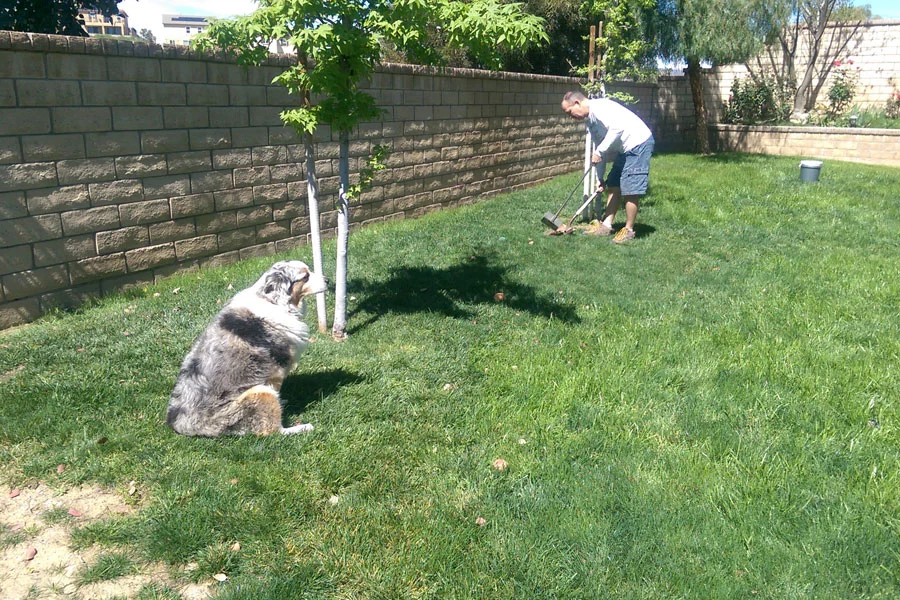
Regularly check yards, patios, and dog runs for waste buildup.
Wash Hands After Handling Waste
Hand hygiene reduces the risk of spreading bacteria and parasites. Not only hands, but the tools you use to pickup waste.
These simple steps can help prevent many common health and sanitation problems.
Pet Yard Sanitation for a Healthier Outdoor Space
Keeping a yard clean is an important part of pet yard sanitation. When waste accumulates in outdoor areas, it creates unpleasant odors and attracts insects and rodents.
Regular cleanup helps maintain a safe space for both pets and people. It also improves the appearance of your yard and prevents conflict with neighbors.
Helpful yard sanitation practices include:
- Weekly waste removal routines
- Rinsing contaminated areas with water
- Using pet-safe disinfectants when necessary
- Designating a specific potty area for dogs
These small efforts make a big difference in maintaining a healthy outdoor environment.
The Role of Professional Pet Waste Removal Services
Some pet owners struggle to keep up with regular cleanup due to busy schedules. This is where a pet waste removal service can help.
These services specialize in safely removing waste from residential yards, parks, and community areas. Professional cleaners often follow strict hygiene protocols to prevent contamination.
Benefits of using a professional pooper scooper service include:
- Consistent yard sanitation;
- Reduced exposure to harmful bacteria;
- More free time for pet owners;
- Improved property appearance;
- Many will inform the client of any unusual looking poops.
Regular waste removal can significantly reduce bacteria levels and odors in outdoor areas.
For many pet families, these services provide convenience while supporting responsible pet care.
Dog Poop Cleanup Service and Community Responsibility
Responsible pet ownership extends beyond individual homes. Communities benefit when everyone follows proper cleanup practices.
A reliable dog poop cleanup service can support neighborhoods, apartment complexes, and parks by maintaining clean shared spaces.
These services help prevent contamination in public areas where many pets and people gather. Cleaner environments also improve community satisfaction and reduce complaints related to pet waste.
Responsible cleanup demonstrates respect for neighbors and promotes positive relationships among pet owners.
Pet Waste Management and Responsible Pet Ownership
Responsible pet ownership includes more than feeding and exercising pets. Proper waste management is also part of being a considerate member of the community.
Pet owners who maintain clean outdoor spaces contribute to healthier neighborhoods and safer play areas for children.
In addition, many veterinary professionals educate pet owners about sanitation and preventive care. Online job platforms that list Veterinarian Jobs help clinics connect with professionals who guide responsible pet care and public health.
These professionals play an important role in raising awareness about hygiene and pet wellness.
Supporting Pet Care Through Responsible Workforces
Pet care services require skilled workers who help maintain health and safety standards in the community. Veterinary clinics, grooming centers, and pet care facilities rely on trained staff to support animal welfare.
Job boards frequently list vet clinic jobs, reflecting the demand for professionals who help educate pet parents and promote responsible pet care practices.
These professionals contribute to healthier communities by encouraging proper sanitation and preventive care for pets.
Practical Tips for Pet Waste Management at Home
Pet parents can take simple steps to maintain clean outdoor areas.
Create a Waste Disposal Routine
Set a schedule to check your yard daily or several times per week.
Use Designated Waste Stations
Keep bags and trash containers easily accessible.
Train Dogs to Use One Area
A designated potty spot makes cleanup easier.
Dispose of Waste Properly
Seal waste in bags before placing it in outdoor trash bins.
Educate Family Members
Ensure everyone in the household understands the importance of waste cleanup.
These small habits can significantly improve overall pet waste management.
The Long-Term Benefits of Proper Waste Management
Consistent waste removal has long-term benefits for pet owners and communities.
These benefits include:
- Reduced exposure to harmful bacteria and parasites
- Cleaner outdoor spaces
- Improved neighborhood relationships
- Safer play areas for children
- Healthier environments for pets
Responsible waste management also helps protect local ecosystems by preventing pollution in waterways and soil.
When pet owners work together to maintain clean environments, communities become safer and more enjoyable places for everyone.
Conclusion
Proper pet waste management is an essential part of responsible pet ownership. Dog waste contains harmful bacteria and parasites that can affect both human and animal health if left untreated.
By practicing regular cleanup, maintaining yard sanitation, and using waste removal services when needed, pet parents can protect their families and communities.
Simple habits—such as picking up waste immediately and disposing of it properly—can make a meaningful difference. Clean outdoor spaces benefit everyone, from pets and children to neighbors and the environment.
Responsible waste management helps create healthier homes and stronger communities.
FAQs
1. Why is pet waste management important?
Pet waste can contain harmful bacteria and parasites that may spread disease and contaminate soil and water if not removed properly.
2. How often should pet waste be removed from a yard?
Ideally, waste should be picked up daily or several times per week to prevent bacteria buildup and unpleasant odors.
3. Can dog waste harm the environment?
Yes. Rainwater can carry bacteria and nutrients from waste into rivers and lakes, causing water pollution and harming aquatic life.
4. Are professional pet waste removal services worth it?
Many pet owners find them helpful because they maintain consistent yard sanitation and reduce health risks.
5. What diseases can spread from dog waste?
Dog waste may carry bacteria such as E. coli and Salmonella, along with parasites like roundworms and hookworms.
6. Is dog waste dangerous for children?
Yes. Children are more likely to come into contact with contaminated soil while playing outdoors, which increases the risk of infection.
Ready to turn your love for dogs into a thriving business? Discover how with ‘The Professional Scoop Master’ at Start-a-Pooper-Scooper-Business.com and scoop your way to success!